

What Promptchan's Video Generation Actually Does
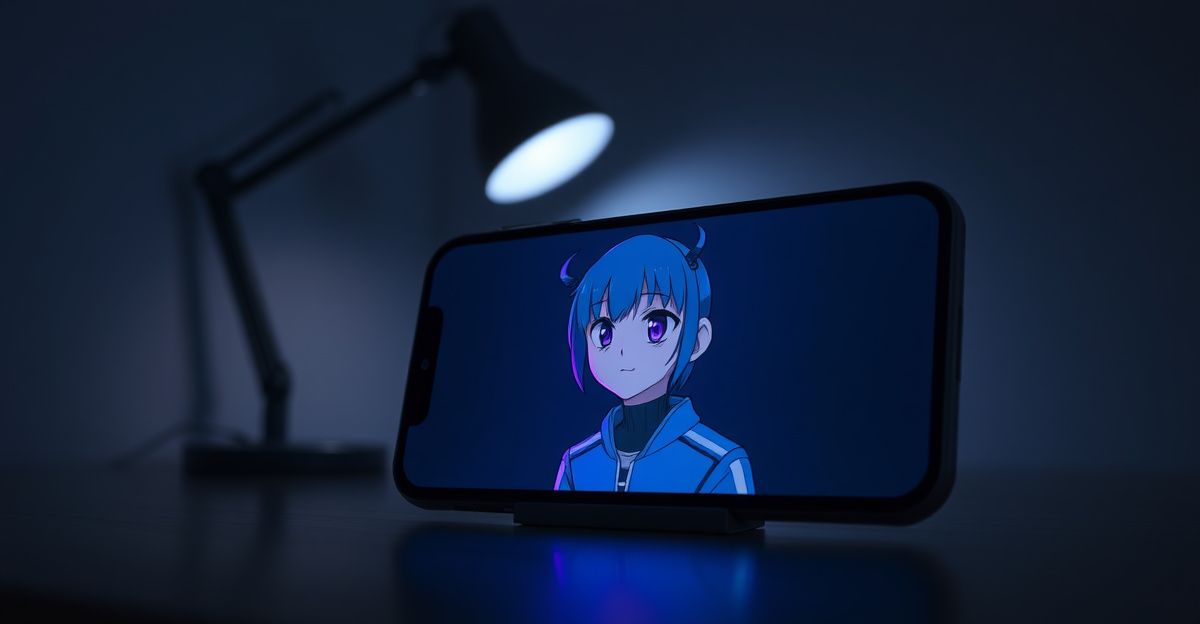
Most AI companion platforms stop at static imagery. Promptchan takes a different approach by offering an Animate feature that converts AI-generated images into short video clips. The workflow begins with a text prompt or an existing generated image. Users select style settings, and the system renders a short animated output. This is not long-form video production. The outputs are brief sequences, typically suited to looping or stylised motion rather than narrative storytelling.
The feature sits within a broader multimodal suite. As outlined in the Promptchan features overview, the platform combines chat, image, and video generation under a single interface. That integration matters because the video tool draws directly on the same prompt logic used for still images, meaning users already familiar with Promptchan image generation will find the transition relatively straightforward.
Understanding what the Animate feature is designed for helps manage expectations. It is not a cinematic AI tool. It is a companion-focused animation layer, built to add motion and presence to the AI character experience rather than to produce broadcast-quality footage.
How the Animate Feature Works Step by Step
The process begins with prompt entry. A user types a description of the scene, character, or interaction they want to animate. The more specific the prompt, the more predictable the output tends to be. Vague prompts produce inconsistent results, which is a limitation shared across virtually all AI video generation tools currently available.
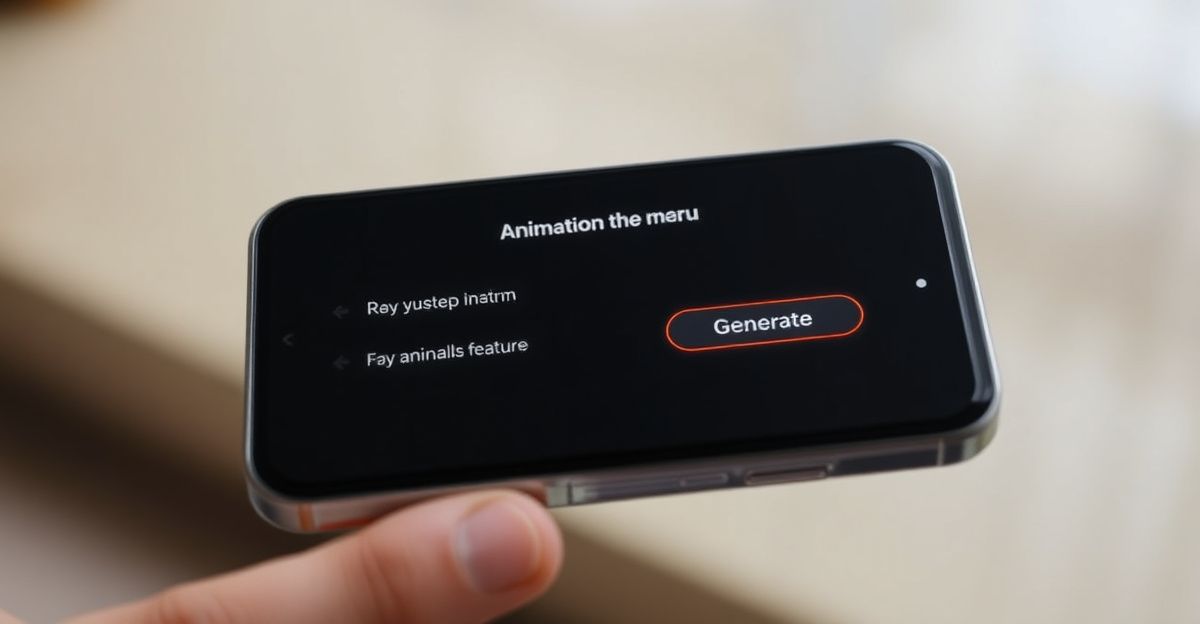
After entering a prompt, users select settings that govern style and rendering behaviour. These settings influence visual tone, animation smoothness, and character consistency. Once submitted, the system processes the request and returns a short video clip. The turnaround time varies depending on server load and the complexity of the prompt.
For users who prefer a visual starting point, the image-to-video pathway is available. A previously generated still image can be fed into the Animate feature, which then applies motion to the scene. This approach often yields more consistent character rendering because the base visual is already established. It also gives users greater control over the final output compared to working from a text prompt alone.
Output quality is not guaranteed to be uniform across all sessions. AI video generation is probabilistic by nature. Two identical prompts can produce noticeably different results. Testing several prompt variations before settling on a preferred output is a practical approach for users who want specific results.
Assessing Output Quality Honestly
The central question for any prospective user is whether the video quality justifies engagement with the feature. Based on how the technology operates, the honest answer is: it depends on what you are trying to achieve. For short, stylised loops featuring AI companions, the Animate feature performs adequately within its stated purpose. For users expecting fluid, photorealistic motion, current AI video generation technology across the industry as a whole still has meaningful limitations.
Prompt specificity is the single largest variable affecting output quality. A prompt that defines character appearance, setting, action, and style is far more likely to produce a usable result than a broad or ambiguous instruction. Users who invest time in learning how the prompt system responds will see materially better outputs than those who approach it casually.
It is also worth noting that AI video generation is a rapidly developing field. Tools that felt limited in 2023 have seen notable improvements by 2025, and the underlying models powering features like Promptchan's Animate continue to evolve. What the feature cannot do today may become achievable within a short development cycle.
Transparency, Terms, and Responsible Use
Any platform offering adult-oriented AI content carries specific obligations around transparency and responsible use. Users in the UK should treat the platform's terms and conditions as essential reading, not optional small print. Key areas to scrutinise include content restrictions, data retention policies, and the process for account cancellation or subscription management.
My own work covering digital platforms has reinforced how important audit trails and clear dispute resolution pathways are. Last September, I attended a conference in London where speakers detailed how operators in regulated sectors are increasingly required to document complaint handling and signpost users to independent resolution bodies within defined timeframes. That research, which involved compiling a structured comparison of four major alternative dispute resolution providers, directly shaped how I approach reviewing any platform that handles personal data and financial transactions. The principle transfers: users of AI platforms should look for clear escalation routes if something goes wrong with billing or account access.
Data privacy compliance is particularly relevant for UK users. Since GDPR took effect in 2018, platforms serving UK residents have faced clear obligations around how personal data is collected, stored, and used. Adults using Promptchan should verify what data the platform retains from chat interactions, generated content, and payment records. If that information is not clearly stated in the privacy policy, that absence itself is a signal worth noting.
Age verification is another area of regulatory importance. The platform's target audience is explicitly adults, and compliance with age-gating requirements is a baseline expectation for any service offering mature content in the UK. Users should expect to encounter verification steps during signup.
How Promptchan Video Compares to Its Own Image Tools
Users who have spent time with the image generation side of the platform will notice that video outputs carry additional unpredictability. Still images are rendered once and evaluated as complete outputs. Video introduces the dimension of motion consistency across frames, which is technically more demanding. Character features that remain stable in a static image can shift slightly across frames in a generated video, a phenomenon sometimes called temporal inconsistency in AI video literature.
That said, the integration between image and video tools is a genuine usability advantage. As covered in the full Promptchan review, the platform's multimodal design means users do not need to export assets between separate services. The image-to-video pipeline in particular benefits from this tight integration, allowing a generated still to become an animated sequence within the same session. For users whose primary interest is the AI companion experience rather than technical video production, this workflow is genuinely efficient.
The comparative picture is also shaped by what alternatives exist. Standalone AI video generation tools exist, but they are not specifically designed around the companion and character interaction use case that Promptchan targets. Users choosing between general-purpose AI video tools and a platform like Promptchan are effectively choosing between technical output quality and contextual fit for their intended use.
Comments
No comments yet.
Leave a comment
Your email will not be shown. Comments are reviewed before they appear.